

Does your supplier risk profile account for what happens when a company’s leadership changes?
Most supply chain teams already have the most immediate indicators dialed in — financial stability, production capacity, quality certifications. And rightly so. But leadership continuity is a dimension that belongs in that same conversation, especially in the small-to-medium enterprise (SME) dominated landscape of CNC machining job shops.
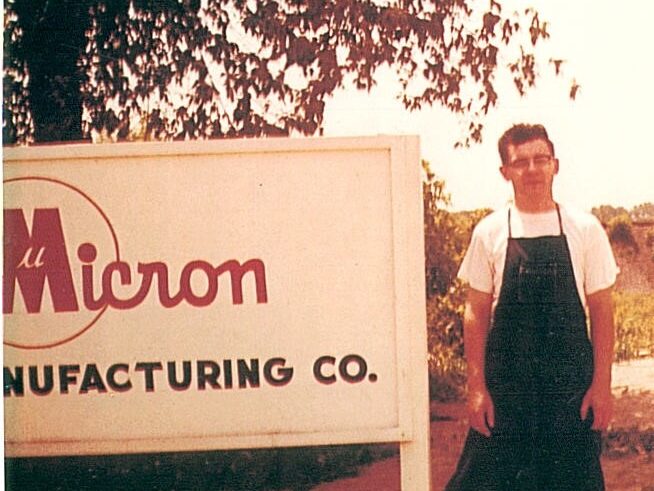
As a third-generation, family-owned manufacturer, we think about this a lot. Our 70+ years of operation are the result of an intentional focus on continuity, and the result is something we’re proud of.
For supply chain professionals who are always looking to build a more complete picture of supplier health, succession planning status is a natural next addition to the framework you already have.
Six Succession Questions Worth Asking
These aren’t interrogation points, but conversation starters that help you understand the maturity of your supplier’s planning process. When approached from a framework of mutual growth, they demonstrate a customer who’s interested in their supplier’s long-term success:
- Do you have a formal, documented succession plan in place for ownership and key leadership roles?
- What specific processes are in place to develop and prepare identified successors?
- Does a board or strategic planning group provide independent oversight to ensure alignment between current executives and the succession pipeline?
- How is the financial transition — such as a buy-out or ownership transfer — structured to ensure stability during and after the handover?
- What contingency plans exist for unexpected events, like the sudden departure or incapacitation of a key leader?
- How frequently is the succession plan reviewed and updated to stay relevant to your business goals and market conditions?
You don’t need to work through all six in a single sitting or structure a separate meeting around them. They should fit naturally into your existing supplier review process.
What Good Answers Look Like
Suppliers with mature succession planning will answer these questions specifically and confidently. You might hear about identified successors who are already active in the business, written transition plans, or an advisory board that provides continuity of strategic direction independent of any one leader. These are genuinely positive indicators of organizational health.
If answers are vague or the topic hasn’t been formally addressed yet, that’s useful information too — worth noting in your supplier records and worth revisiting down the road. Many excellent suppliers are simply earlier in their planning process.
Tracking this doesn’t necessarily require a complicated scoring system — even a simple note on where a supplier appears to be in the process gives you meaningful context over time.
Why We Wrote This
Fielding critical questions like these from a customer is a challenge, but also an opportunity. As a supplier who’s taken succession planning seriously, we want to be asked.
We’ve put together a more comprehensive look at this topic — what the risks look like, how to evaluate where a supplier stands, and what a mature plan involves.
Read the full white paper here: Does Your Key CNC Machining Supplier Have a Succession Plan?
Or, browse our white paper library for more industry insights.
Recent Comments